
Ready to learn how to grow healthy vegetables using simple Low-Fertilizer Vegetable Growing Garden Ideas that make gardening easier and more sustainable?
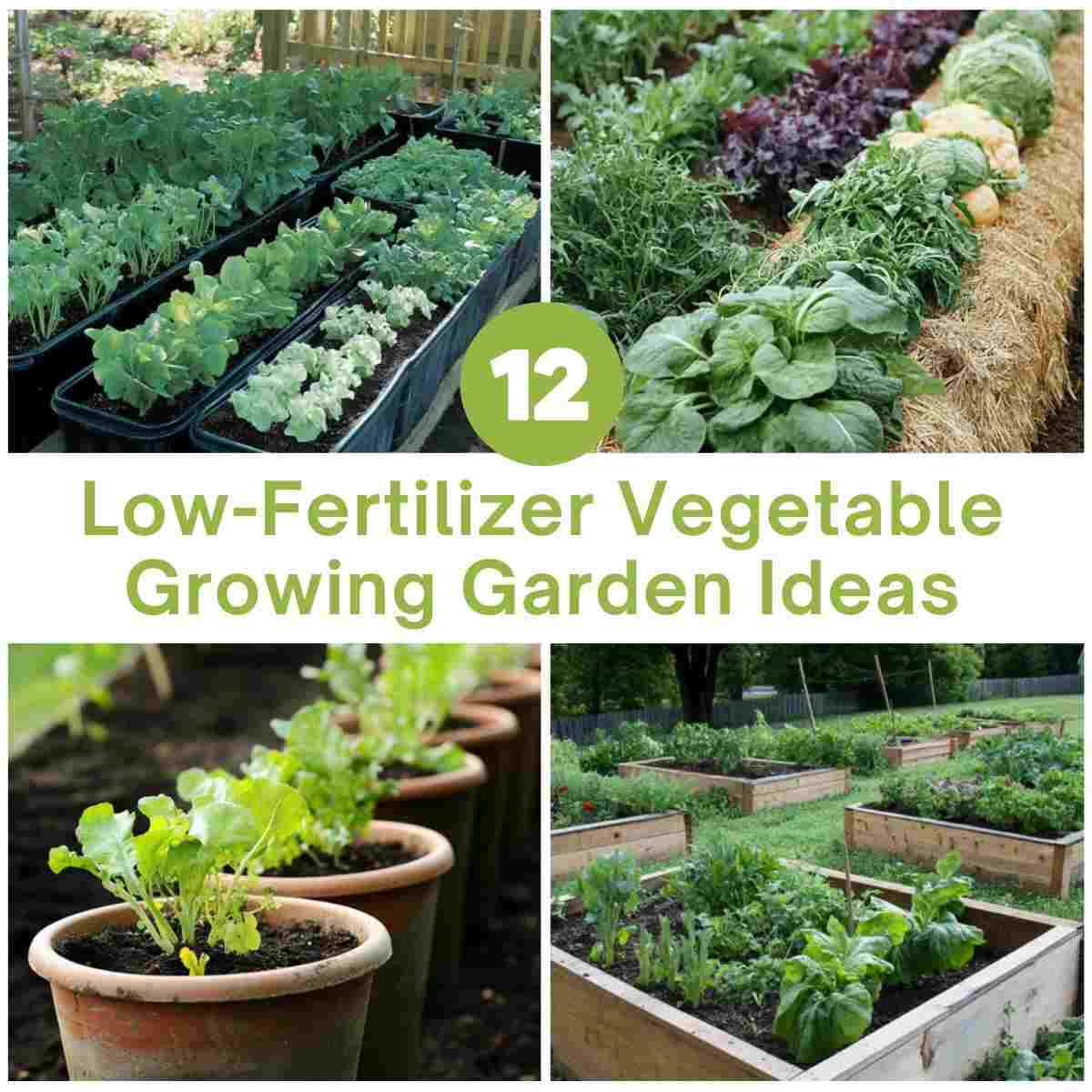
Growing vegetables with less fertilizer is easier than you think, and these Low-Fertilizer Vegetable Growing Garden Ideas will help you grow healthy plants while taking better care of your soil and the environment.
Let’s dive in!
1. Compost-Enriched Bed Planting
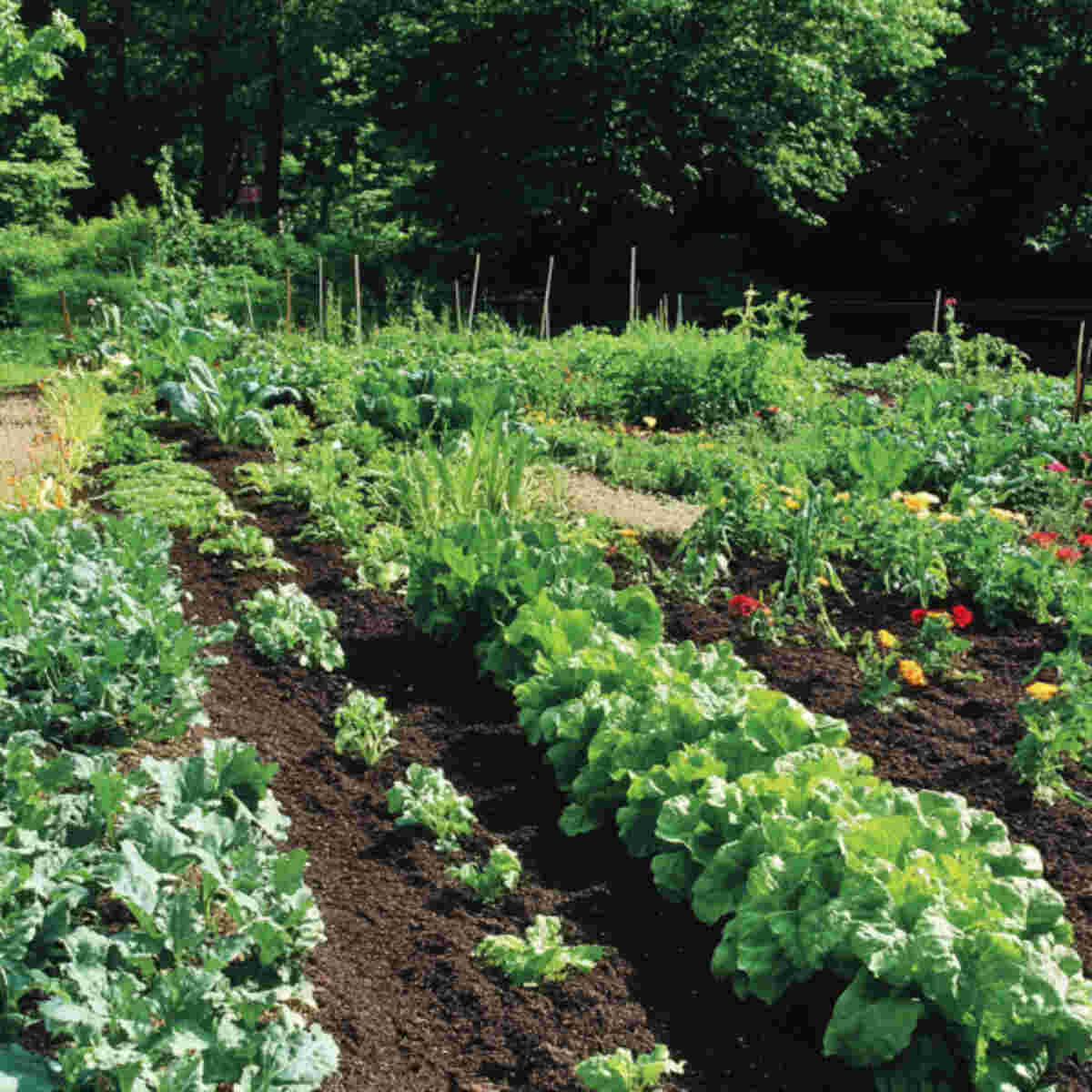
Compost-enriched beds are one of the most effective Low-Fertilizer Vegetable Growing Garden Ideas because compost naturally boosts soil structure, water retention, and nutrient availability without needing heavy chemical inputs.
By mixing mature compost into your soil, vegetables receive a slow, steady stream of nutrients that supports healthy growth all season long.
This method is especially important for low-fertilizer gardening because compost helps maintain soil fertility year after year, reducing the need for store-bought fertilizers.
See, 21 Brilliant Banana Peel Fertilizer Hacks
2. Mulched Vegetable Rows
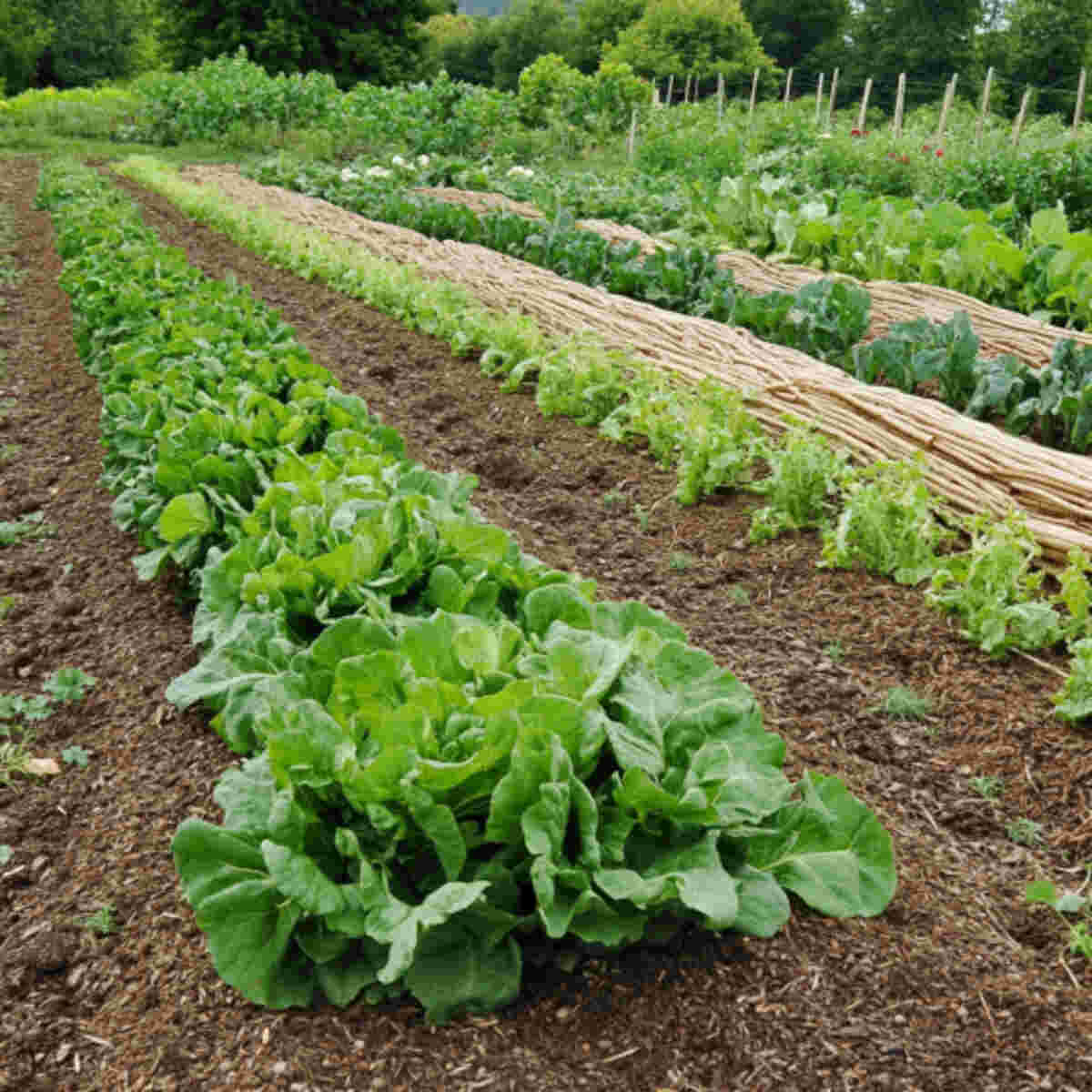
Mulched rows are a key part of Low-Fertilizer Vegetable Growing Garden Ideas because mulch prevents nutrient loss by protecting the soil from erosion, harsh sun, and rapid moisture loss.
As mulch breaks down, it adds organic matter that naturally feeds vegetable roots and improves soil over time.
In low-fertilizer setups, mulch acts like a nutrient buffer, helping plants thrive even with minimal added fertilizer.
3. Legume-Supported Soil Enrichment
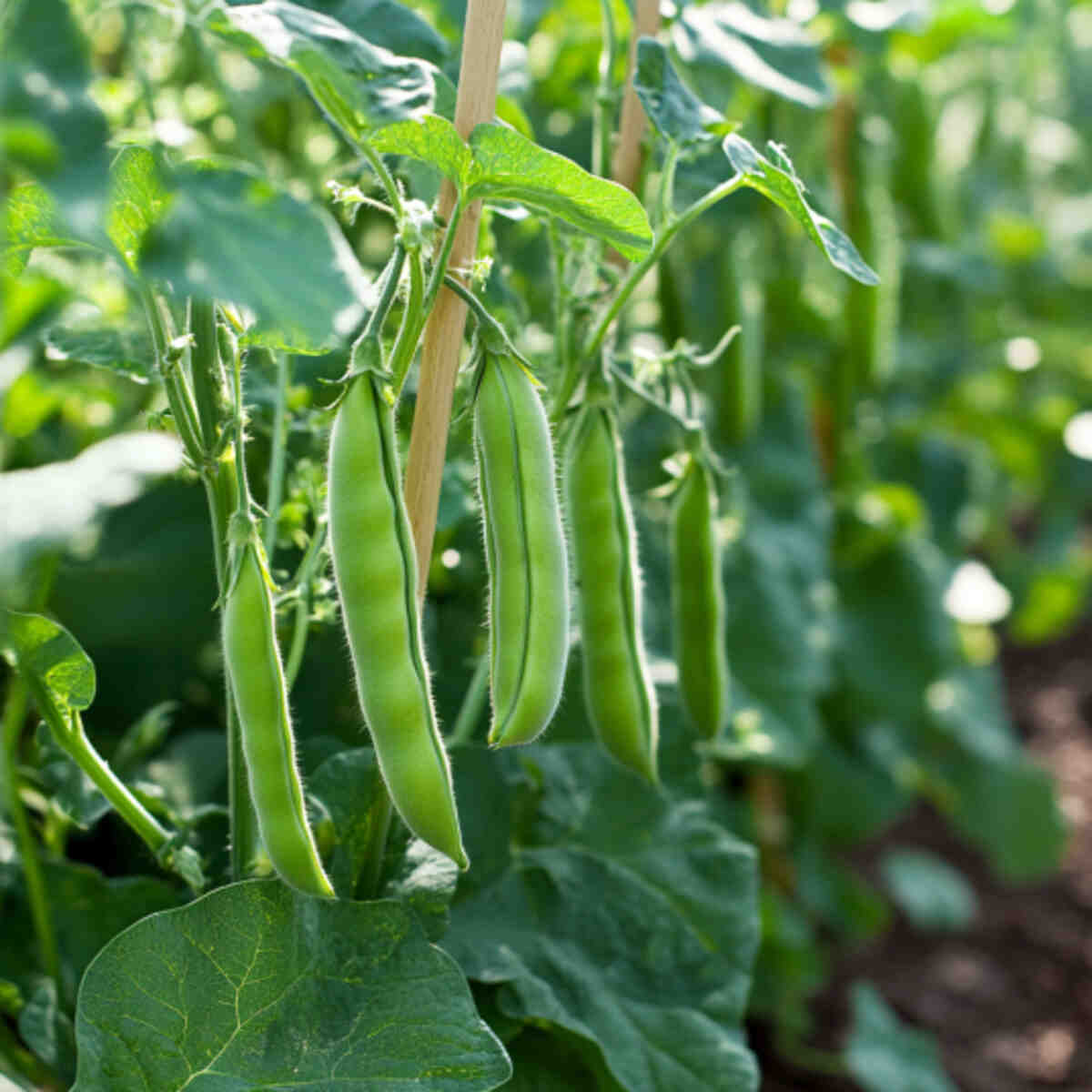
Growing legumes is one of the most powerful Low-Fertilizer Vegetable Growing Garden Ideas because legumes pull nitrogen from the air and convert it into a form that enriches the soil.
When you grow peas, beans, or other legumes, they naturally increase soil fertility, reducing your fertilizer needs for future crops.
This approach helps keep your vegetable garden productive while lowering your dependency on synthetic nitrogen sources.
Watch, 20 Crop-Specific Fertilizers Garden Ideas
4. Slow-Release Organic Fertilizer Pots
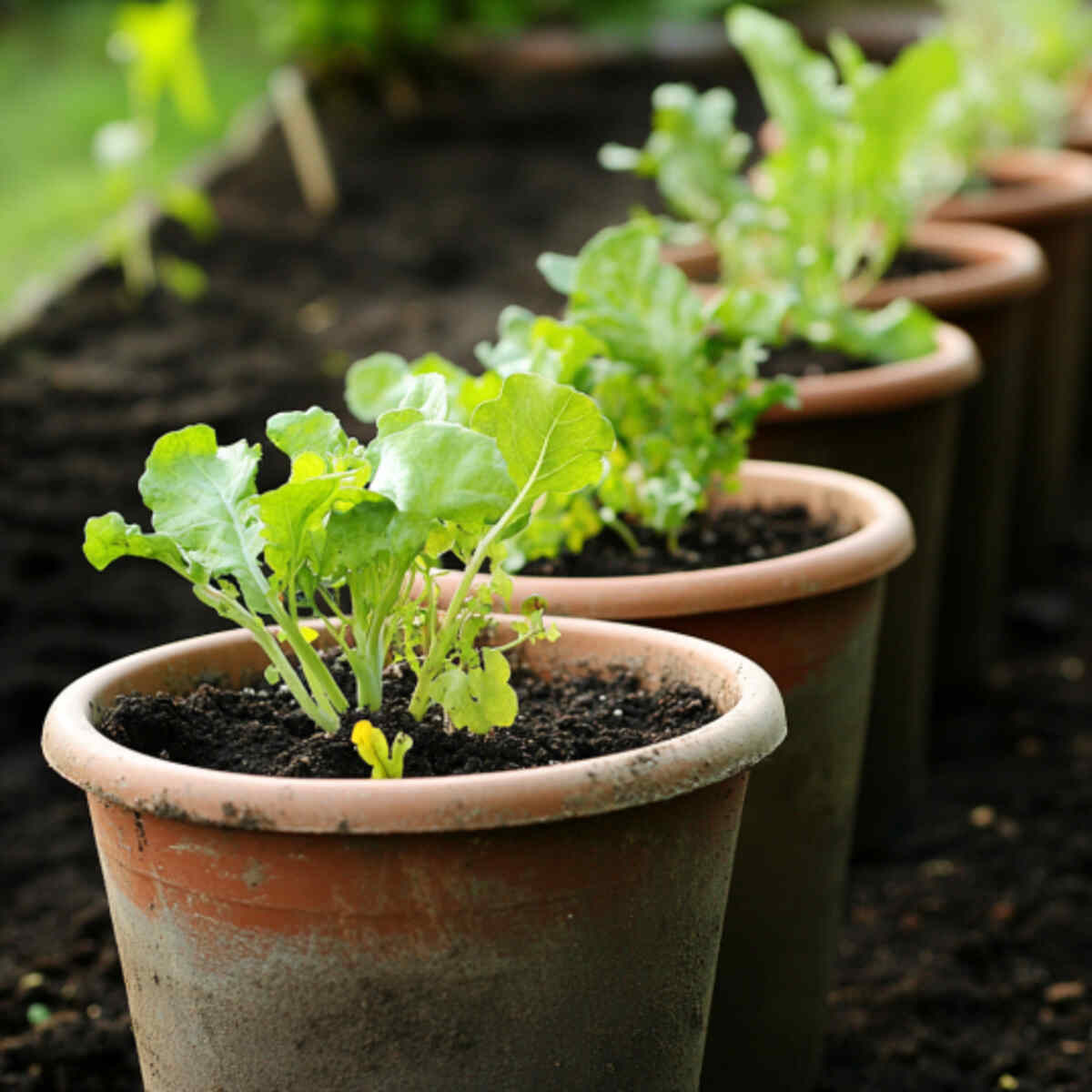
Using slow-release organic fertilizer in pots supports Low-Fertilizer Vegetable Growing Garden Ideas by supplying vegetables with gentle, long-term nutrition without overwhelming the plants.
These fertilizers break down slowly, meaning your pots stay nutrient-rich without frequent feeding cycles.
This is especially valuable in low-fertilizer gardening because it maintains steady growth while keeping fertilizer usage minimal and eco-friendly.
5. No-Till Vegetable Beds
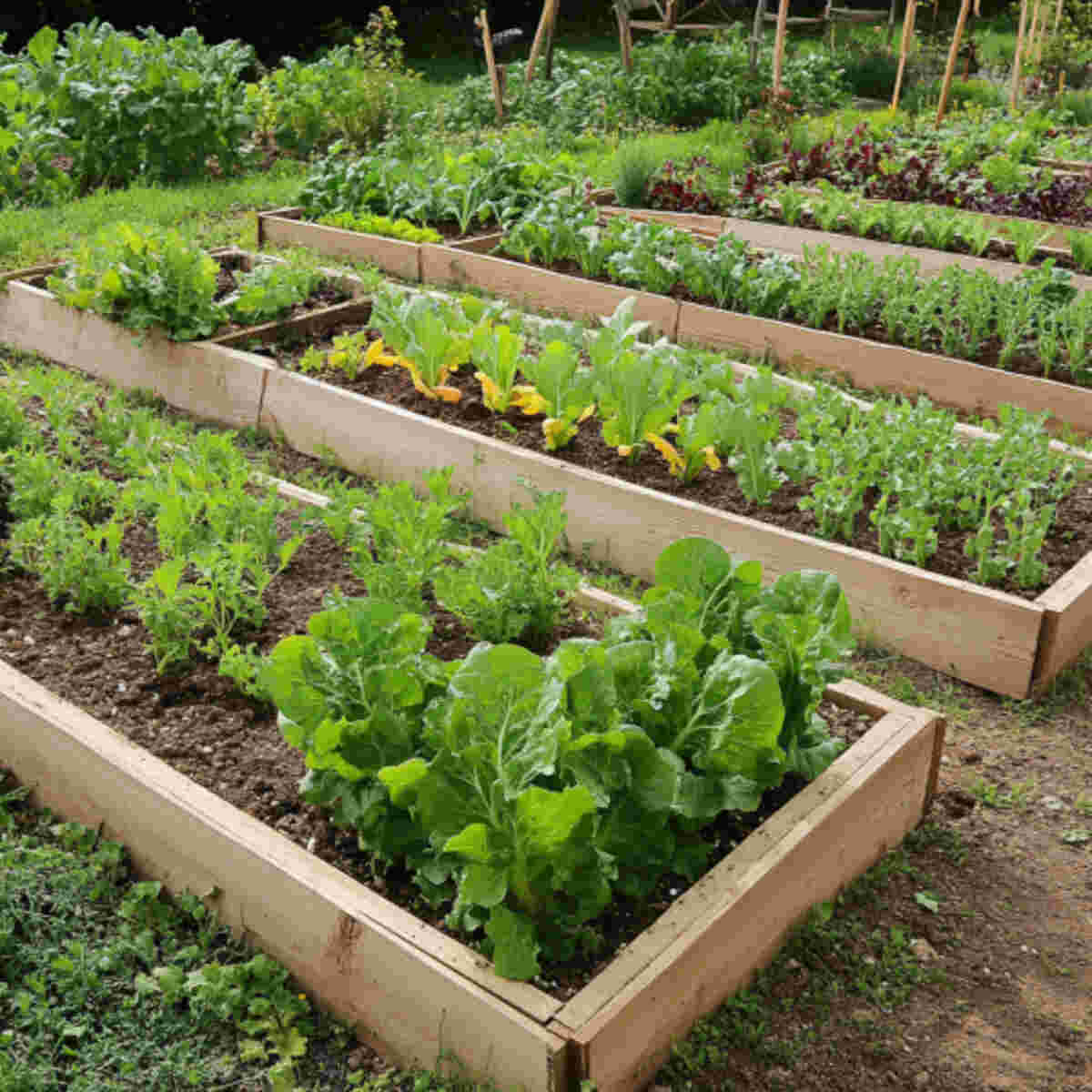
No-till gardening is a cornerstone of Low-Fertilizer Vegetable Growing Garden Ideas because it preserves soil structure, microorganisms, and natural nutrient cycles.
By not disturbing the soil, organic material and beneficial organisms stay intact, helping vegetables access nutrients more effectively.
This method is important for low-fertilizer gardens because undisturbed soil stores nutrients better and releases them slowly to growing plants.
6. Leaf-Mold Amended Garden Soil
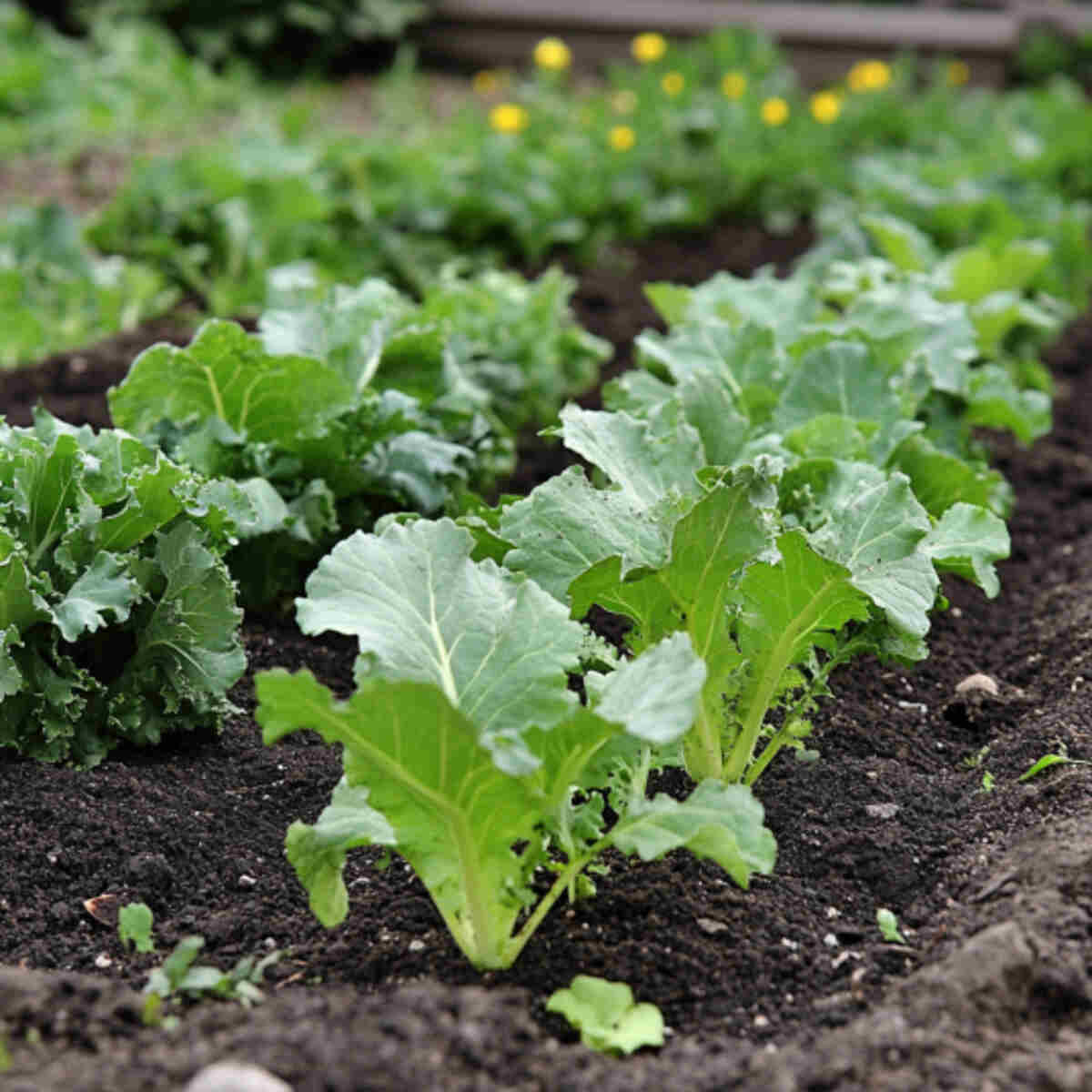
Leaf mold is an excellent soil amendment for Low-Fertilizer Vegetable Growing Garden Ideas because it improves moisture retention and creates a healthy environment for soil microbes.
When worked into vegetable beds, leaf mold enriches the soil with organic matter that slowly increases nutrient availability.
This helps your vegetables grow strong with little fertilizer, making leaf mold a reliable option for sustainable gardening.
7. Worm-Castings Boosted Containers
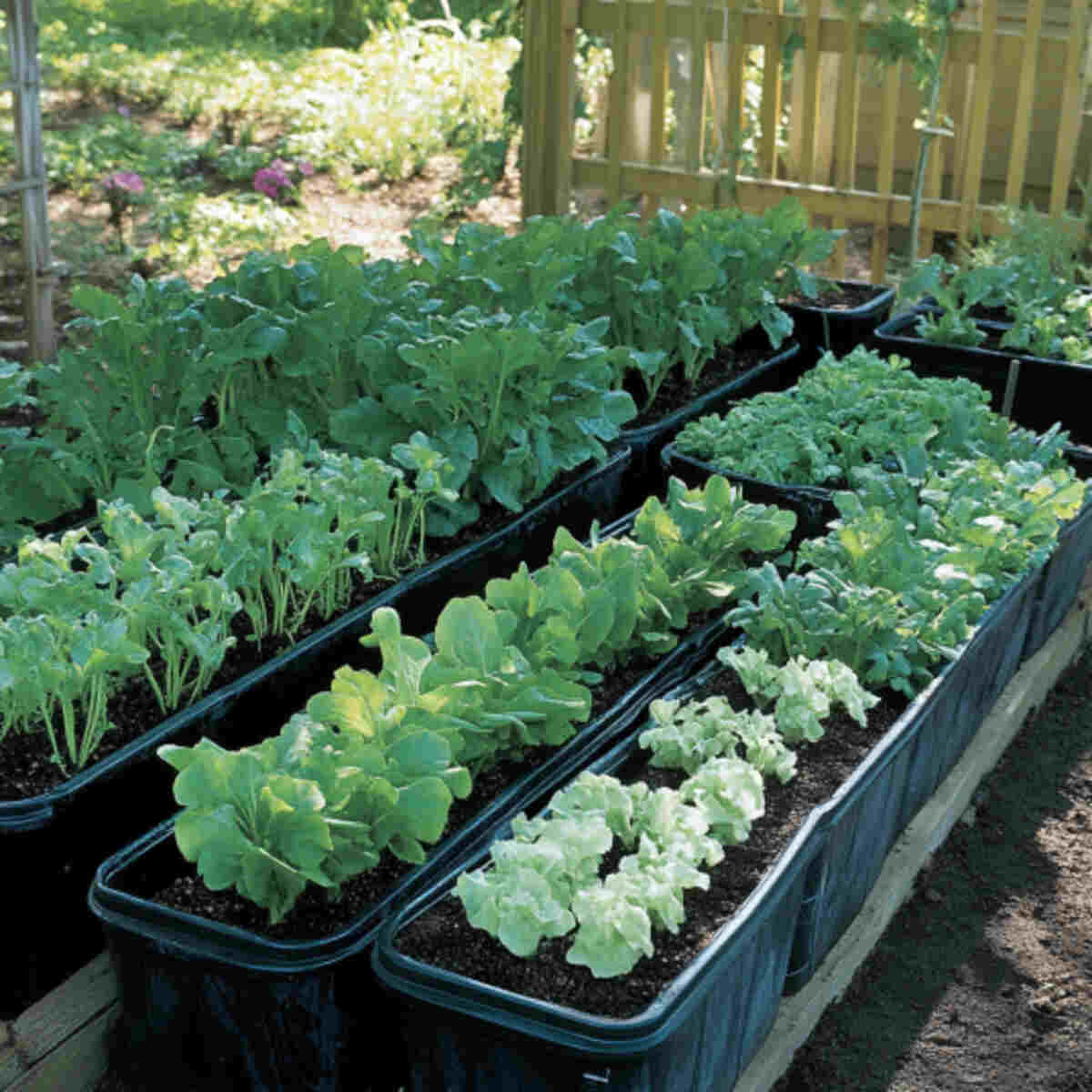
Adding worm castings to containers is one of the richest Low-Fertilizer Vegetable Growing Garden Ideas because castings provide natural nutrients and beneficial microorganisms.
Worm castings improve soil texture and help plants absorb nutrients more efficiently, even when fertilizer use is kept low.
This method supports low-fertilizer systems by delivering strong plant growth without harsh chemical additives.
See, 12 Homemade Fertilizers Your Garden Will Thank You For
8. Biochar-Enhanced Vegetable Beds
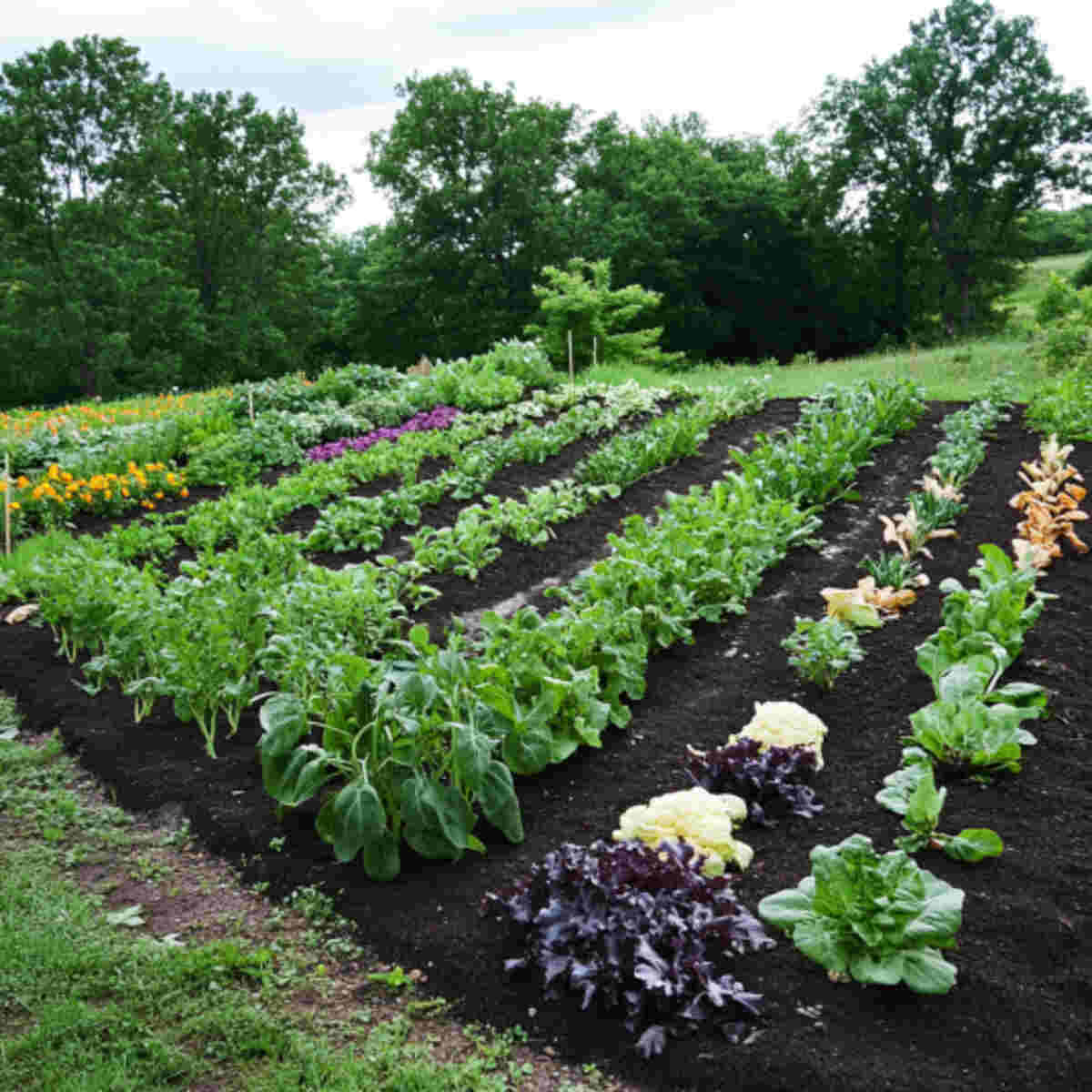
Biochar plays a big role in Low-Fertilizer Vegetable Growing Garden Ideas because it increases soil’s ability to hold nutrients and water for longer periods.
When mixed with compost, biochar becomes a long-lasting nutrient sponge that slowly releases minerals to vegetable roots.
Its stability in the soil makes it essential for reducing fertilizer needs while improving long-term soil health.
9. Green-Manure Cover Crop Integration
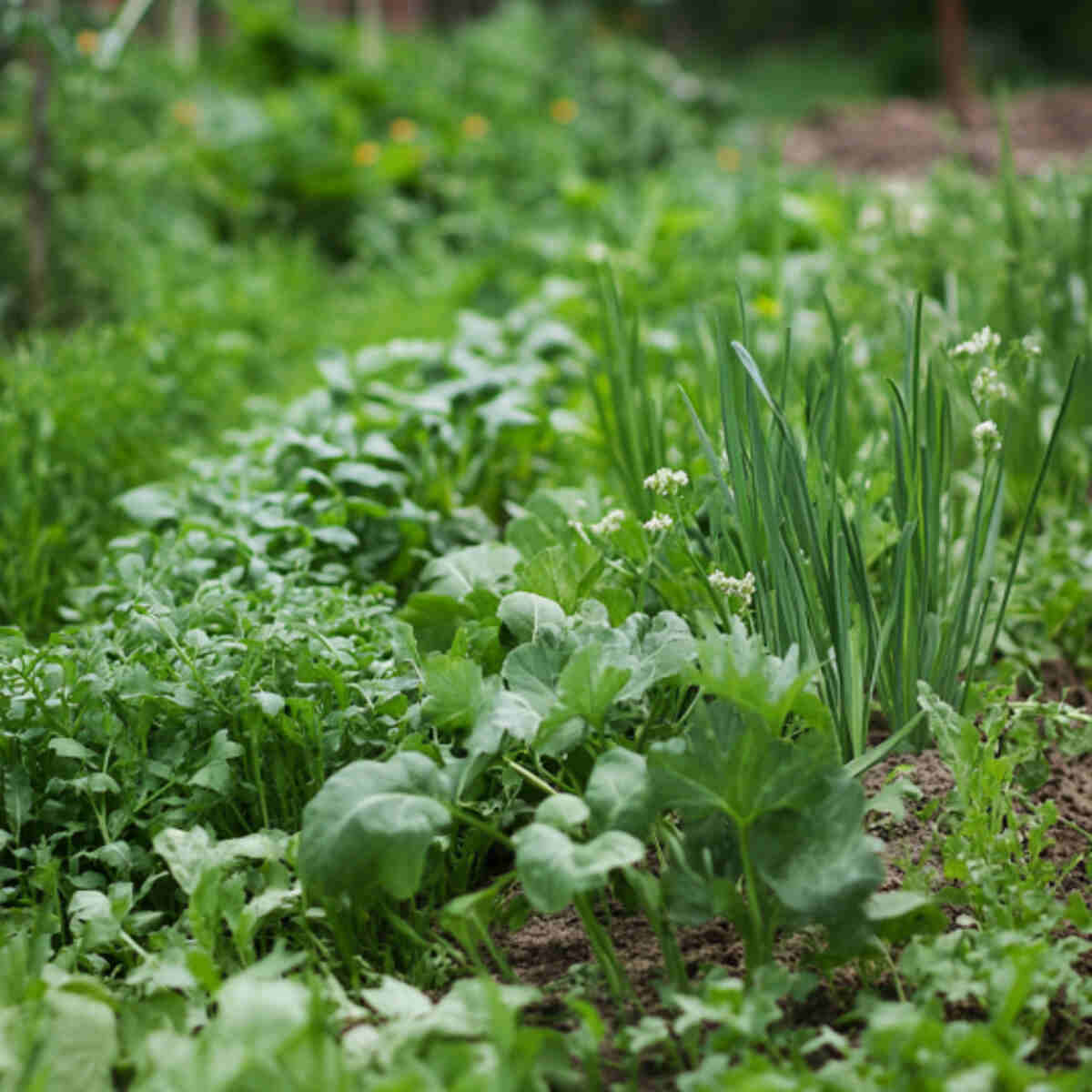
Planting green-manure cover crops is a smart part of Low-Fertilizer Vegetable Growing Garden Ideas because these plants restore nutrients and organic matter to the soil after they are turned under.
Cover crops like clover or rye help prevent nutrient loss during off-season months, keeping the soil ready for vegetable planting.
This method strengthens low-fertilizer gardens by replenishing nutrients naturally instead of relying on synthetic options.
10. Rainwater-Fed Raised Beds
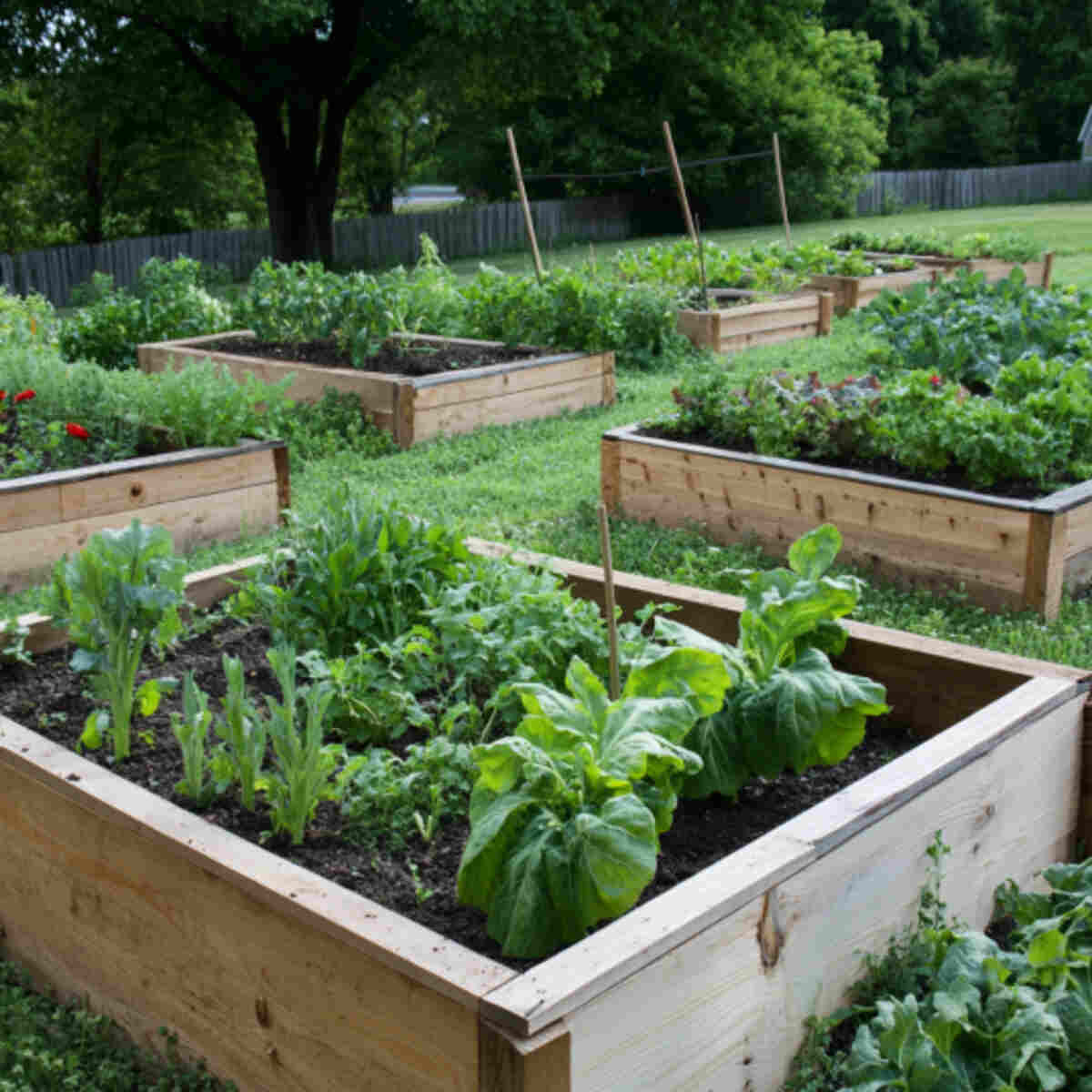
Rainwater-fed raised beds fit perfectly into Low-Fertilizer Vegetable Growing Garden Ideas because rainwater is naturally soft, chemical-free, and rich in trace elements that benefit vegetables.
Raised beds allow better control of soil quality, which helps maintain fertility even when fertilizer use is minimal.
Using rainwater preserves nutrients in the soil and reduces the need for additional feeding throughout the season.
See, 18 Self-Fertilizing Legume Beds That Feed Themselves!
11. Straw-Bale Low-Input Planting
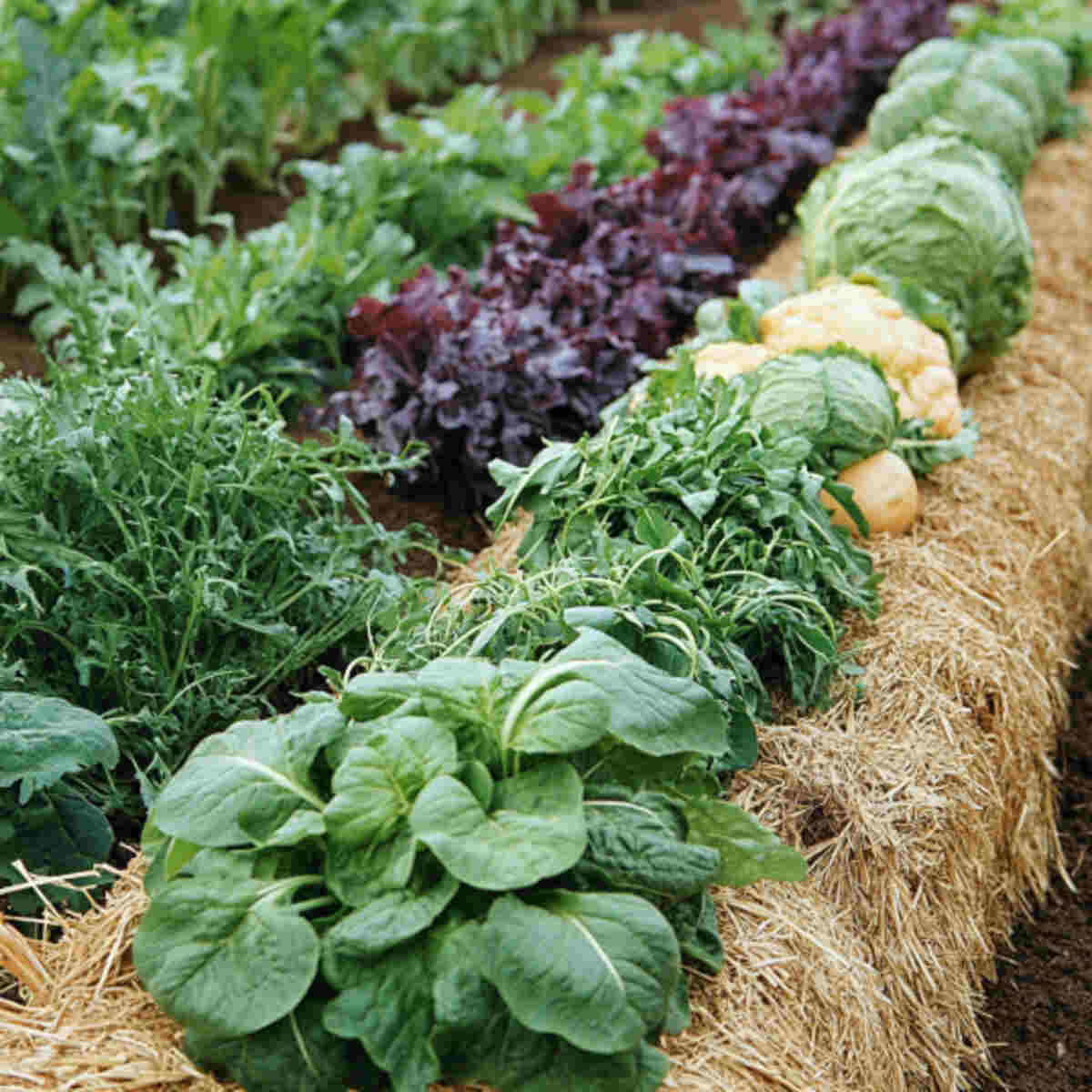
Straw-bale gardening is an innovative part of Low-Fertilizer Vegetable Growing Garden Ideas because decomposing straw releases natural nutrients that feed vegetables.
As the bale breaks down, it becomes a nutrient-rich medium that helps plants grow without large fertilizer applications.
This method is valuable for low-fertilizer gardeners who want a clean, composting-based growing system.
12. Kitchen-Scrap Compost Bucket Gardens
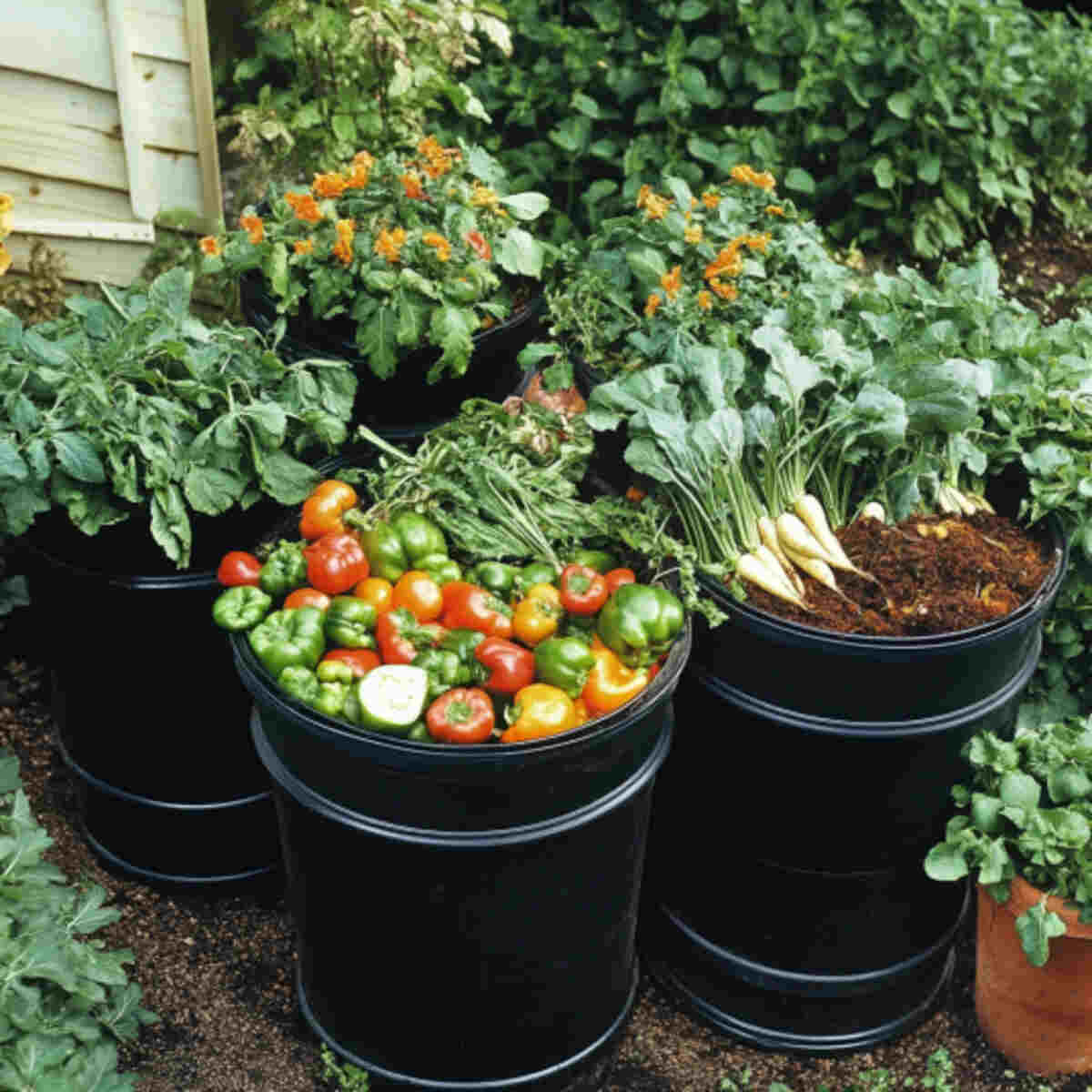
Using kitchen-scrap compost buckets supports Low-Fertilizer Vegetable Growing Garden Ideas by turning everyday food waste into nutrient-rich material for vegetables.
The bucket system produces compost that breaks down quickly and delivers organic nutrients right where plants need them.
This method reduces fertilizer demand while encouraging a more sustainable, waste-free gardening habit.
These Low-Fertilizer Vegetable Growing Garden Ideas prove that good vegetables don’t always need a lot of extra feeding, and small changes in the way you garden can make a big difference.
By using natural soil boosters, simple planting methods, and smart watering habits, you can help your plants grow strong while protecting the soil.
With these easy ideas, anyone can enjoy a healthy, green garden that uses fewer resources and still gives great results.
